I picked up a camera because it was my choice of weapon against what I hated most about the universe: racism, intolerance, poverty. I could have just as easily picked up a knife or gun, like many of my childhood friends did.
- Gordon Parks, 1967
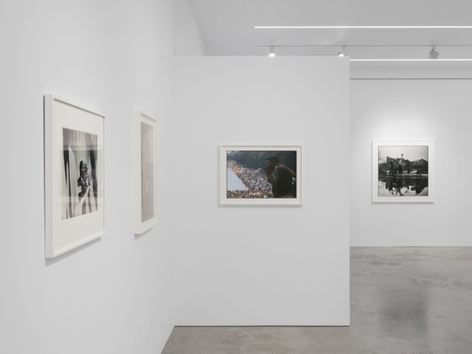
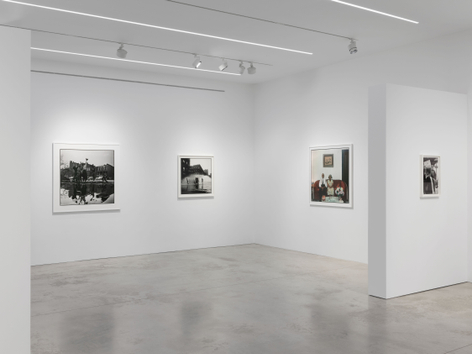
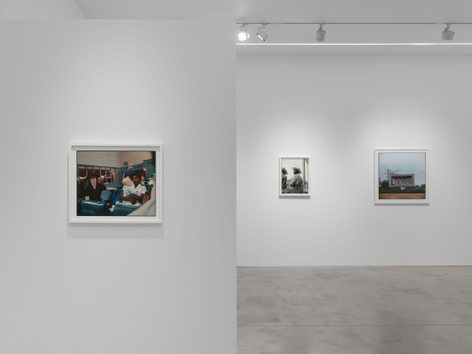
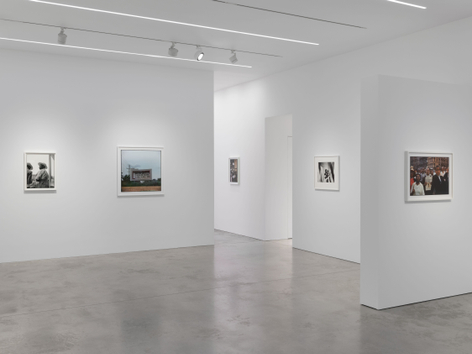
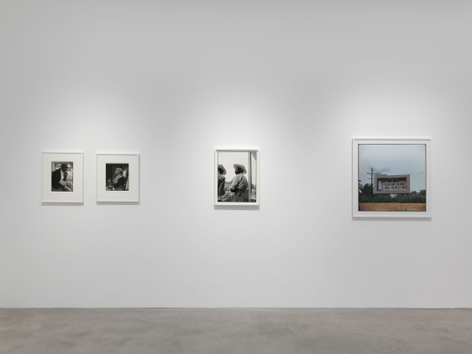
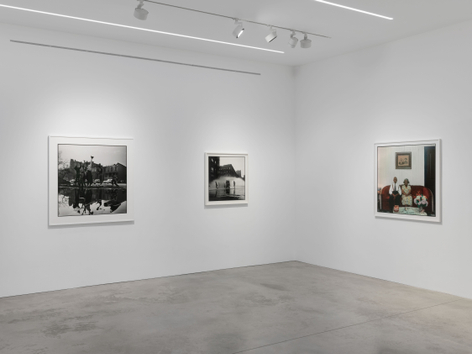
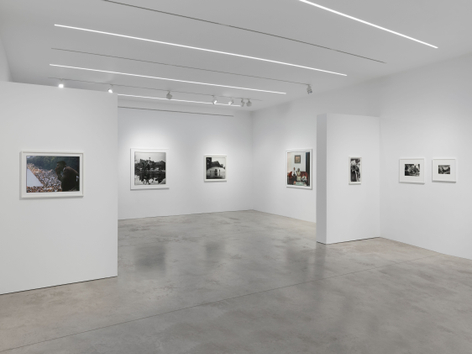
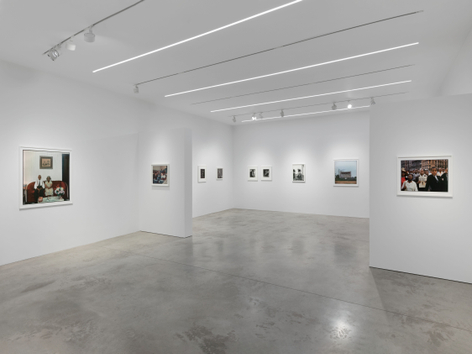
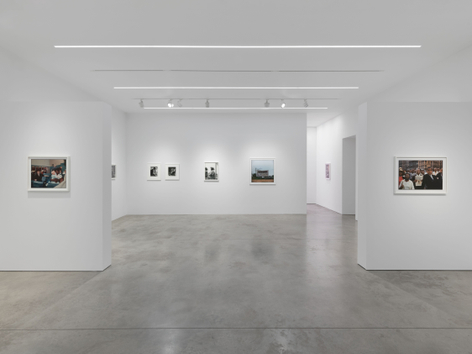
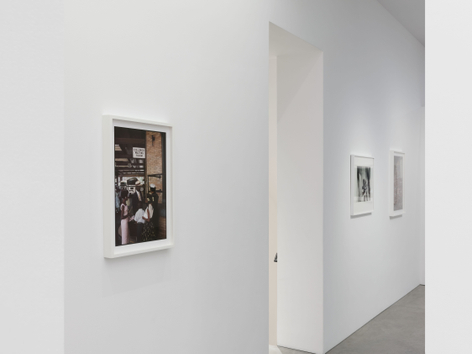
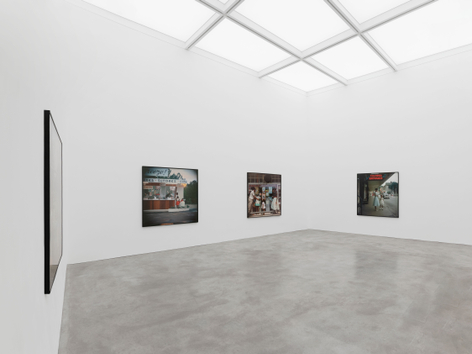
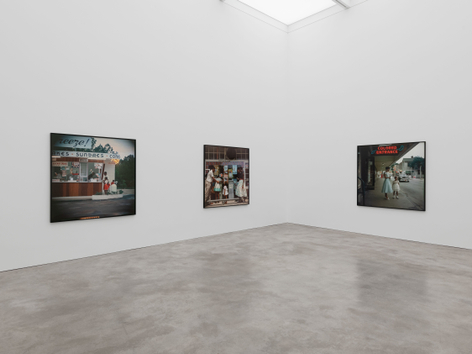
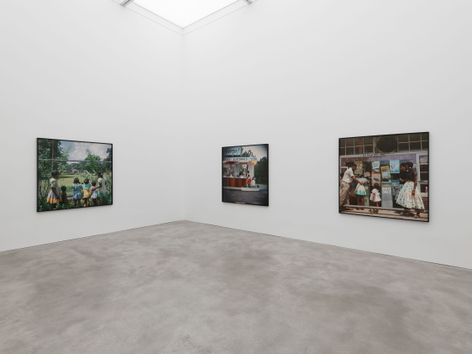
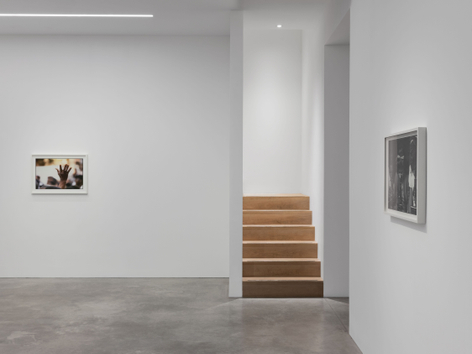
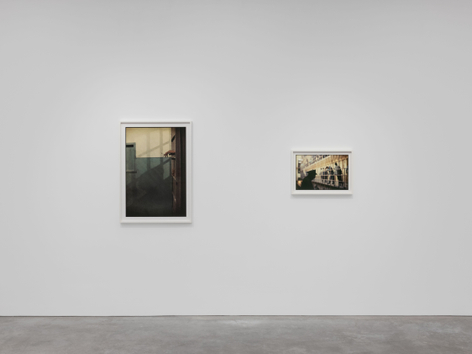
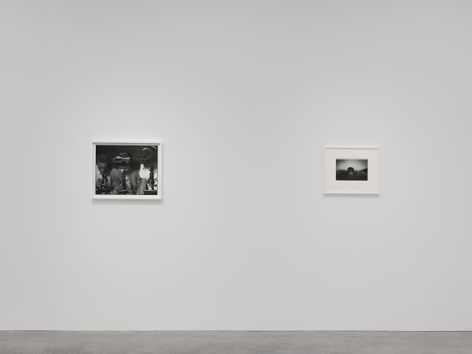
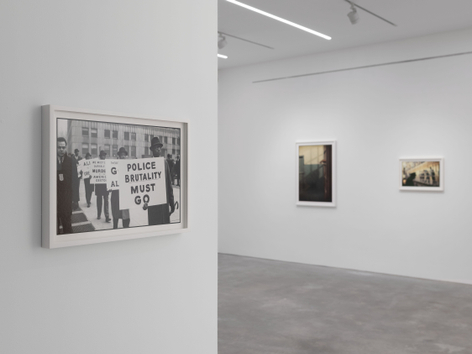
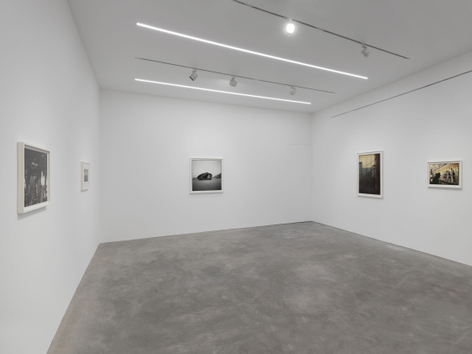
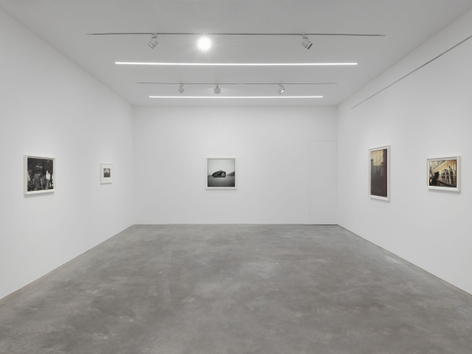
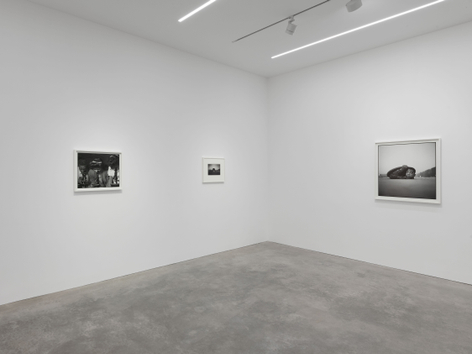
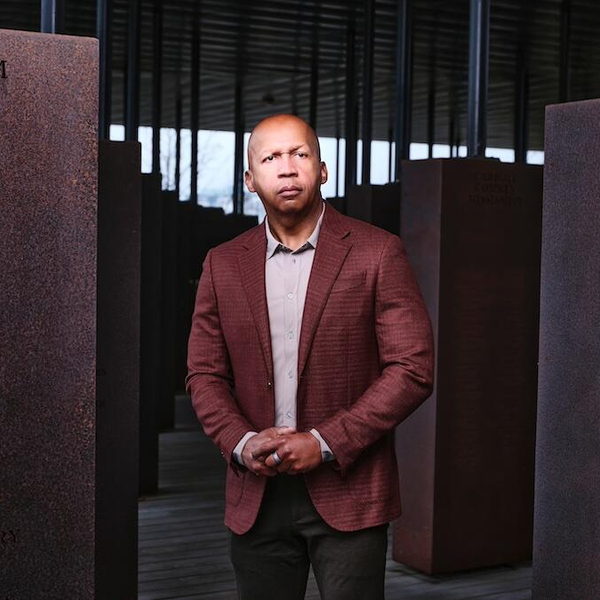
Alison Jacques, in partnership with The Gordon Parks Foundation and on the occasion of the Foundation’s 20th Anniversary, presents Gordon Parks: We Shall Not Be Moved, a solo exhibition by pioneering American artist Gordon Parks (b. 1912, Fort Scott, US; d. 2006, New York), curated by renowned social justice activist, Attorney Bryan Stevenson (b.1959, Delaware), founder and Executive Director of the Equal Justice Initiative in Montgomery, Alabama.
Peter W. Kunhardt, Jr., Executive Director of The Gordon Parks Foundation remarks: ‘We are pleased to celebrate The Gordon Parks Foundation’s twentieth anniversary with an exhibition at Alison Jacques in London. We are equally fortunate to view Gordon’s vast achievements through the critical lens of guest curator Bryan Stevenson. Bryan’s selection demonstrates the struggles and joys of African American life that Gordon captured, and reveals how he powerfully shaped the way America saw itself.’
Stevenson was named in the Time100: World’s Most Influential People (2015), and has received the Martin Luther King Jr. Nonviolent Peace Prize (2018). He is the author of the critically-acclaimed New York Times bestseller Just Mercy: A Story of Justice and Redemption (2015), which was awarded the Carnegie Medal by the American Library Association, and was made into a major HBO film starring Michael B. Jordan (2019).
Speaking about his curation of the exhibition, Stevenson says: "the scope of the images from Parks represents the struggle, resilience and constant striving of Black Americans." Stevenson’s selection spans 25 years of Parks’s practice (1942-1967) and focuses on Gordon Parks as a humanitarian with a deep commitment to social justice. Stevenson comments: "as an African American survivor of racial injustice, Parks was keenly aware of race and class in America, and this palpably informed his work."
The exhibition title references the protest anthem, "We Shall Not Be Moved," evolving from the African American spiritual song "I Shall Not Be Moved," which signifies unwavering resolve, and has become a cultural touchstone for movements seeking justice. The exhibition presents a timely parallel between Parks’s photographs and the current crisis in America. Stevenson articulates how we are living in "a moment when there is an intense and active effort of erasure, retreat from civil rights and silencing of Black voices and history in the United States," and goes on to say how Parks’s images "provide insight and relevance to our current discourse. His work absolutely suggests resistance to bigotry and oppression."
Parks is one of the most groundbreaking figures in twentieth century photography. Born into poverty and segregation, he had no professional training and was self-taught. In 1937, aged 25, Parks purchased a Voigtländer Brillant camera from a Pawn shop in Seattle for less than $12. He was first inspired by photographs of migrant workers which he saw in a magazine, and famously referred to his camera as a "weapon" against poverty and social wrongs. Speaking to Eldridge Cleaver an early leader of the revolutionary Black power organisation The Black Panther Party, Parks explained: "you have a 45mm automatic pistol on your lap, and I have a 35mm camera on my lap, and my weapon is just as powerful as yours" (1970).
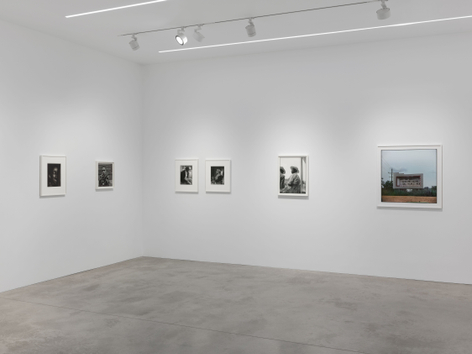
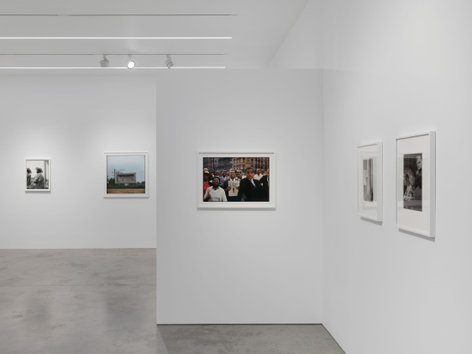
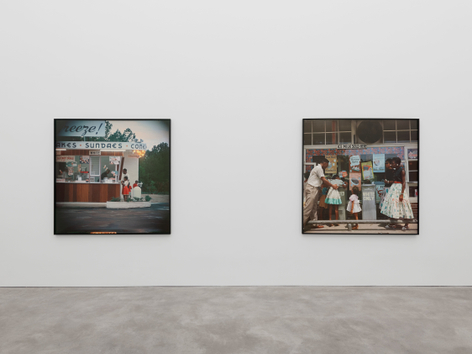
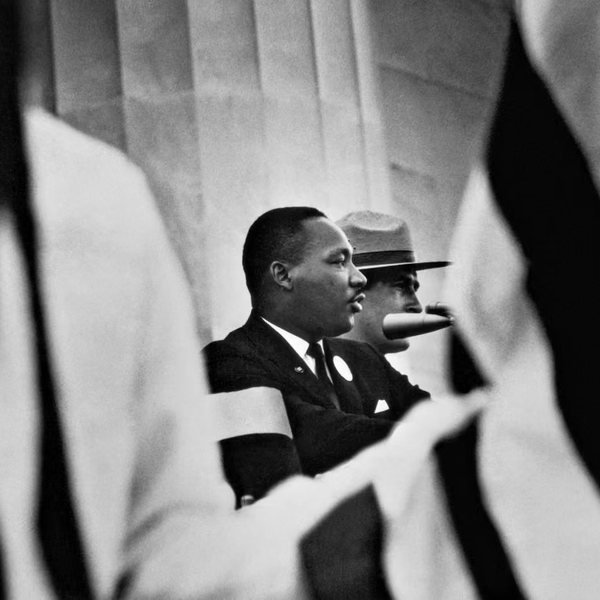
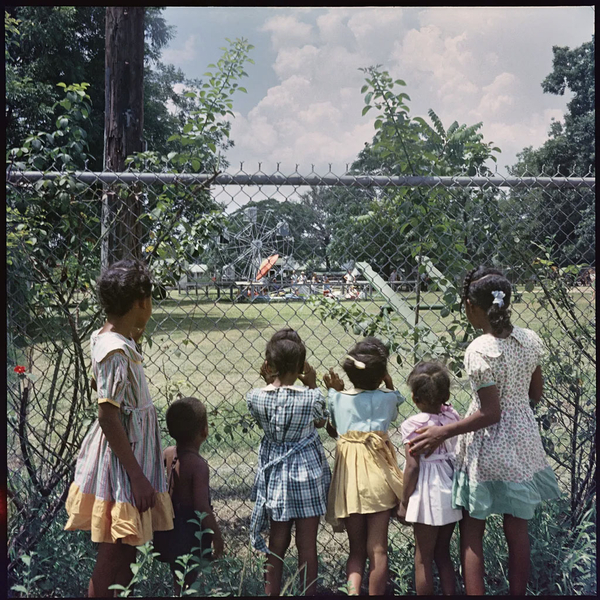
Stevenson’s curation includes some of Parks’s most well known works, including American Gothic, Washington, D.C. (1942) and photographs of the 1963 March on Washington, including his portrait of Dr. Martin Luther King Jr. making his canonical speech "I Have a Dream." The show includes iconic works Outside Looking In, Department Store and Mr. and Mrs. Albert Thornton, from Parks’s Segregation Story series, commissioned by Life Magazine published under the title "The Restraints: Open and Hidden" (1956). Hired in 1948, Parks broke racial barriers as the first Black staff member of America’s leading photo magazine. Unusually for a photographer, Parks often wrote his own articles, allowing him to inject his personal perspective and challenge stereotypes. His Segregation Story series humanised the effects of Jim Crow segregation by following the daily lives of Black families in Alabama, creating narratives that consistently expressed the dignity and complex humanity of his subjects, starkly contrasting with mainstream representations.
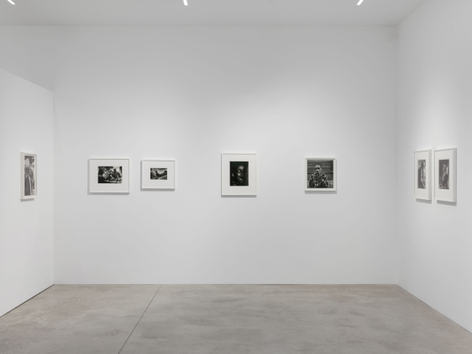
Stevenson’s essay, "The Lens of Gordon Parks: A Different Picture of Crime in America," published by Steidl (2020) focused on Parks’s series the Atmosphere of Crime (1967). A number of images from this body work are shown in the exhibition, including Untitled, Chicago (1957) in which Parks photographed a prison inmate’s hand protruding from the bars of his cell, holding a lit cigarette. In his essay, Stevenson analyses how Parks’s photography, rooted in his own experience with racism and poverty, offered a deeper, compassionate look at crime, revealing systemic issues and human suffering rather than just sensationalism. In doing so, Parks’s images shift the narrative from blaming individuals to understanding societal causes, and Stevenson highlights the artist’s unique ability to see shared humanity, connecting his work to the broader fight for racial justice and dignity, challenging simplistic views of crime in America.
For more information, click here.

Bryan Stevenson
We Shall Not be Moved
Bryan Stevenson, 2026
Over the course of 246 years, ten million Black people were enslaved in what would become the United States. Following the Civil War in 1865, four million enslaved people were emancipated and made the remarkable decision to commit to creating a more just America. The formerly enslaved could have chosen retribution and revenge against their enslavers, tormentors, and abusers, but instead, they chose citizenship; they chose to build America. Black Americans created churches, schools, and families and embraced freedom in the United States with extraordinary fortitude. This extraordinary commitment of freed Black people to America, however, was not honored or supported by the powerful. Just over a decade following the war, protections for African Americans were withdrawn. Former enslavers, white supremacists, and those who believed in racial hierarchy took power while Congress and the Supreme Court abandoned constitutional commitments to equal protection and voting rights for emancipated Black people.
Gordon Parks was born in the early 20th century, when most African Americans were marginalized, excluded, and humiliated by racial segregation laws, terrorized by mob violence and lynching, and denied the essential right to vote. Parks witnessed and endured the stress and degradation of racial hierarchy in the United States, but he also understood the strength, resilience, artistry, resolve, and beauty that animated Black life.
Amid the struggle, Parks picked up a camera as his “weapon of choice.” He documented the story of America, focusing on the lives of Black people. He illuminated the pain and humiliation of segregation, the despair of poverty, the violence of abusive law enforcement officers, and the appalling hypocrisy of an America globally on the rise—preaching democracy and equality abroad while mired in racial bigotry at home.
Parks was energized and excited by resistance to oppression and creativity within the Black community. The civil rights movement, the emergence of "Black power," the triumph of Black athletes, musicians, and even gang leaders were all counter-narratives to racial discrimination that Parks brilliantly brought to life. His art helped challenge the legitimacy of racial caste and enabled a new generation of Black and white leaders to tear down the architecture of Jim Crow laws. Gordon Parks helped imagine a more hopeful future less burdened by racial bigotry and violence, an artistic narrative to help create in the words of the Black poet Langston Hughes, "America be America."
The art and photography of Gordon Parks is powerful because his work details the reality and history of America that is now being distorted and denied. Today, many in the United States are retreating from a full commitment to equality and justice for all. Powerful people are trying to rewrite history, minimizing the harms of slavery, lynching, segregation and racial bigotry. People of color are being demonized and castigated because of their race, ethnicity or national origin. And once again, many Black Americans are recognizing that their struggle is still unfinished. A reinforced presumption of dangerousness, guilt or incompetence is being assigned to many Americans based simply on their color. Black political power is being sabotaged through a multitude of schemes that the Supreme Court seems ready to legitimate.
As the gains of the civil rights movement are being taken away, as censorship and the whitewashing of history are on the rise and even artistic freedom is being attacked, it’s easy to understand why many people might want to escape, retreat and once again become silent. To many, silence seems safer.
Gordon Parks is an artist who absolutely rejected silence or retreat. He knew too much about the persistence and strength of the human spirit to put down his camera, even in the face of cruel and abusive power. His art has renewed significance in 2026 because it is a retort to those who want to force Americans back to some earlier era of perceived greatness when racial and gender hierarchy reigned.
This exhibition is history, education and protest.
The art of Gordon Parks makes clear that we cannot turn back, we cannot remain silent and we cannot retreat from advancing true justice. The artistry of Gordon Parks makes clear what many of us are prepared to say, and we will say it. We shall not be moved.
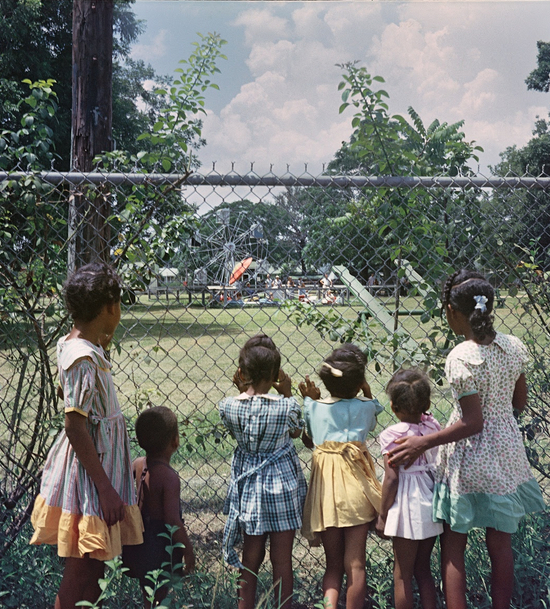
Gordon Parks, Outside Looking In, Mobile, Alabama, 1956